

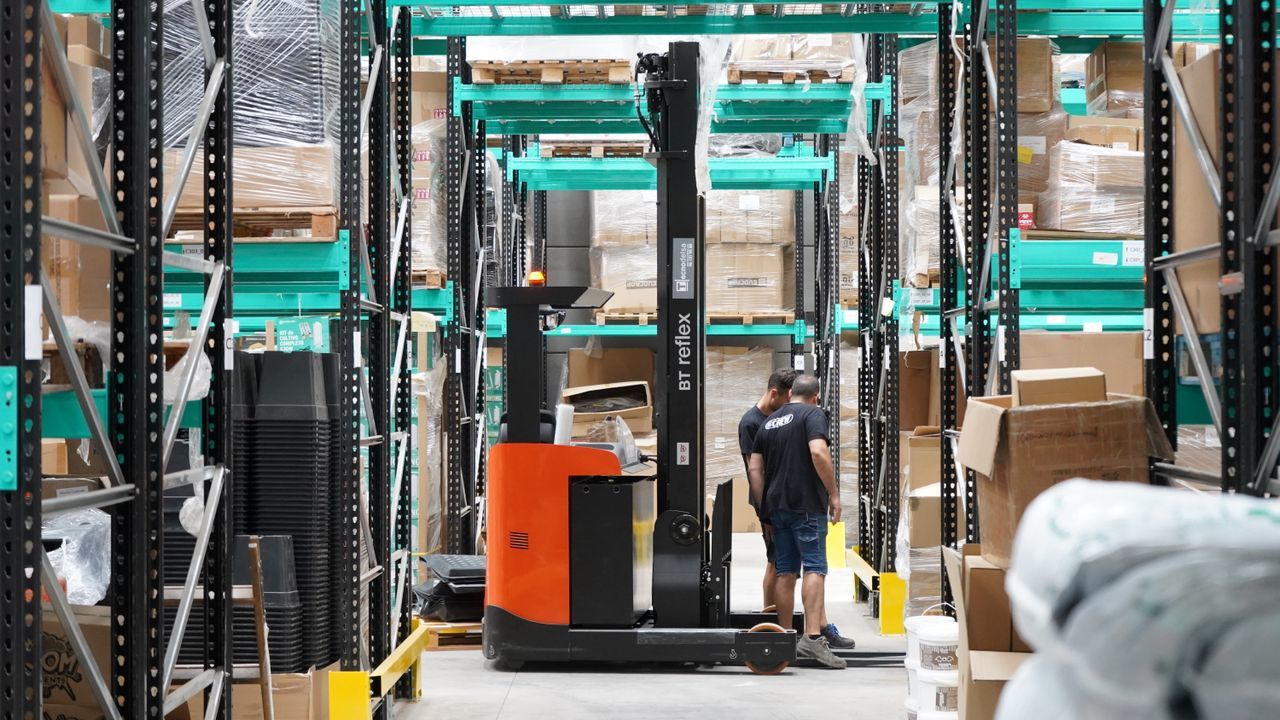
Supply Chain Optimization and Modern Logistics Infrastructure
A robust supply chain serves as the backbone of any successful commercial enterprise, directly impacting profit margins and customer satisfaction. In recent years, global disruptions have forced organizations to rethink their inventory management and procurement strategies, shifting from "just-in-time" models to more resilient "just-in-case" planning. This change demands stronger relationships with diverse suppliers and a more granular understanding of raw material sourcing.
When analyzing the modern supply chain, physical fulfillment and micro-logistics play a vital yet often invisible role in operational scaling. For example, e-commerce giants and food distribution conglomerates frequently focus their procurement Audits on bulk packaging efficiency and volume discounts. While a standard corporate board meeting might focus entirely on high-level financial metrics, procurement officers are often deep in negotiations for everyday essentials, evaluating bulk pricing structures for items like clamshell containers wholesale to minimize marginal costs. Streamlining these underlying operational details ultimately allows a firm to maintain competitive pricing in volatile markets.
Cross Border Mobility and the Evolution of Corporate Real Estate
As companies expand their footprints into new geographical territories, establishing a physical presence requires careful financial forecasting and market analysis. Entering dynamic economic hubs, particularly in the Asia-Pacific region, presents unique challenges regarding capital expenditure, local labor laws, and regulatory compliance. Organizations must weigh the pros and cons of permanent infrastructure against more flexible, scalable alternatives.
To mitigate upfront financial risks during the initial phases of market entry, modern enterprises are increasingly embracing decentralized corporate real estate models. This strategy allows foreign corporations to test local market waters without committing to restrictive, long-term commercial leases. For instance, when a multinational tech firm decides to deploy a regional sales team to Southeast Asia, instead of buying property, they might secure a flexible, shared office layout under a coworking space Singapore agreement to remain nimble. This flexible approach to corporate infrastructure ensures that capital remains liquid, allowing businesses to pivot quickly as market conditions evolve.
Building a Resilient Corporate Ecosystem for Long Term Growth
Ultimately, achieving sustainable business growth requires a holistic view of both internal operations and external real estate strategies. From optimizing the micro-costs of logistical packaging to adopting flexible frameworks for regional office expansion, every decision shapes a company's financial resilience. By balancing cost-effective procurement with agile asset management, modern enterprises can successfully insulate themselves from economic downturns while remaining perfectly positioned to capitalize on emerging global opportunities.